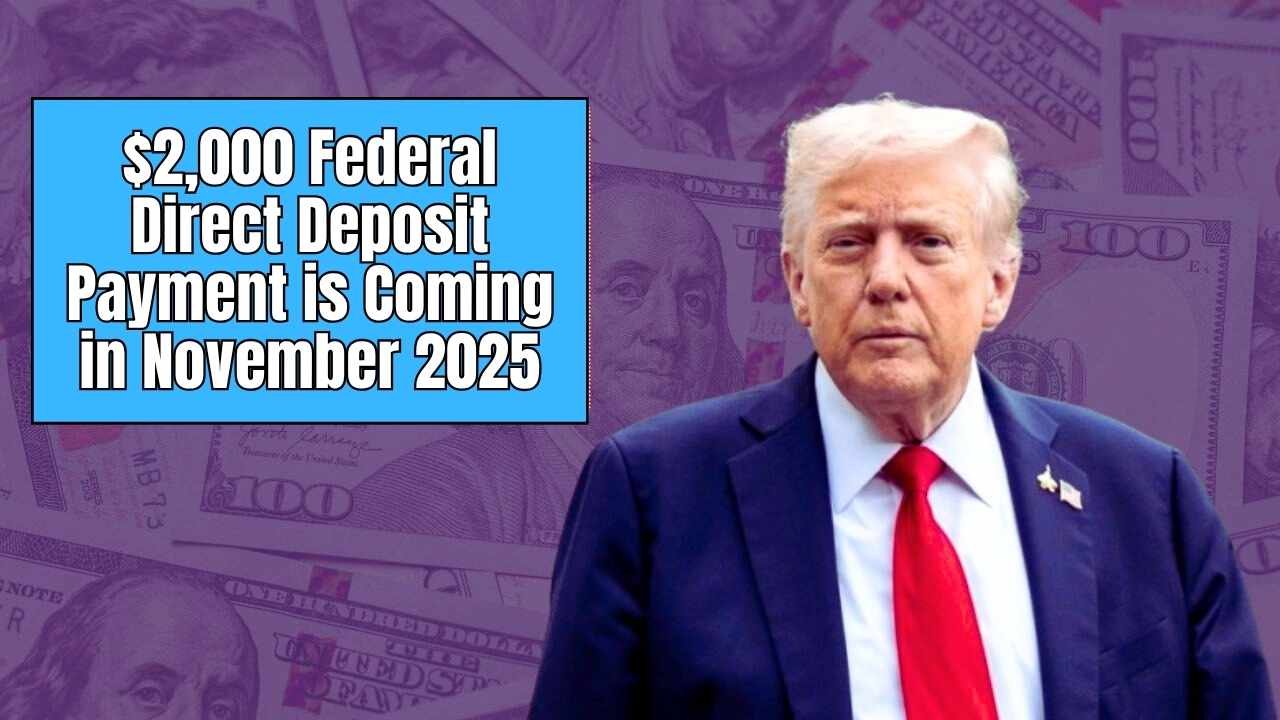
As November 2025 approaches, rumors of a $2,000 direct deposit from the IRS have sparked widespread excitement and confusion among American households. With inflation still squeezing budgets and everyday costs like groceries and rent remaining high, many are hoping for a financial lifeline similar to the COVID-era stimulus checks. However, while social media and various websites are buzzing with claims of automatic payments, the reality is more nuanced. This guide breaks down the facts, potential eligibility, rumored timelines, and official IRS advice to help you navigate what’s real and what’s not. Stay informed to avoid scams and ensure you don’t miss out on any legitimate relief.
The Truth Behind the $2,000 Rumors
Talk of a $2,000 direct deposit has gone viral, often tied to unverified stories about new federal relief or “tariff-funded” stimulus. Some posts suggest it’s a one-time payment to combat economic pressures, with funds arriving via the IRS just in time for the holidays. Unfortunately, these claims stem from speculation rather than official announcements. The IRS has repeatedly stated there are no new nationwide stimulus payments scheduled for November 2025. The last federal stimulus the third round of $1,400 checks from 2021 had a claim deadline of April 15, 2025, and any unclaimed amounts were processed in late 2024.
That said, elements of truth fuel the hype. Proposals like the American Worker Rebate Act of 2025, introduced by Sen. Josh Hawley (R-MO), discuss rebates up to $2,400 for middle-income families, potentially funded by tariffs. Former President Trump’s comments on tariff revenues possibly leading to $1,000–$2,000 checks have added to the chatter. But as of October 29, 2025, no bill has passed Congress, and the IRS confirms no such program exists yet. If approved, payments could theoretically start in November, but that’s speculative.
Who Might Be Eligible If It Happens?
Eligibility for any hypothetical $2,000 payment would likely mirror past stimulus programs, focusing on low- to middle-income Americans. Based on recurring details in these rumors and prior IRS criteria, here’s what could qualify you:
- Income Thresholds: Singles earning up to $75,000 annually (adjusted gross income) or married couples filing jointly up to $150,000 would get the full amount. Payments phase out above these limits, fully ending at $80,000 for individuals or $160,000 for couples.
- Citizenship and Residency: U.S. citizens or lawful permanent residents with a valid Social Security number. Non-citizens with ITINs might qualify if they file taxes.
- Tax Filing Status: Must have filed a 2024 federal tax return (or 2023 if not yet filed for 2024). Dependents on someone else’s return typically don’t get separate payments.
- Benefit Recipients: Automatic for Social Security (SSDI/SSI), VA disability, or Railroad Retirement beneficiaries, even if they don’t file taxes, as long as income is within limits.
- Exclusions: High earners, non-filers without benefits, and those who received similar recent relief might be phased out.
These aren’t set in stone true eligibility would depend on final legislation. For now, if you’re in these groups, update your IRS info to prepare for any future relief.
Rumored Payment Dates and Methods
If a $2,000 program were greenlit, the IRS would likely roll it out in phases to manage volume, similar to 2020–2021. Based on unverified reports circulating online, here’s the speculated schedule:
- Direct Deposits: Mid-November 2025, starting November 15 and wrapping by November 25 for those with bank details on file from recent tax returns.
- Paper Checks: Late November to early December 2025, mailed to non-direct deposit filers.
- Prepaid Debit Cards (EIP Cards): Early December for remaining eligible recipients without bank accounts.
The IRS prioritizes early filers and those with updated direct deposit info. Delays could stem from holidays, processing backlogs, or verification issues. Track potential status via the IRS “Get My Payment” tool on IRS.gov, which updates daily once payments begin. Remember, these dates are hypothetical no official timeline exists.
IRS Instructions: What to Do Right Now
The IRS emphasizes preparation over panic. Even without a confirmed program, following these steps positions you for any future relief and helps spot scams:
- Update Your Info: Log into your IRS online account at IRS.gov to confirm direct deposit details, address, and filing status. Use Form 1040-X if you need to amend a prior return.
- File on Time: Submit your 2024 taxes by April 15, 2026, to ensure you’re in the system. Non-filers can use the IRS Free File tool if eligible.
- Check for Unclaimed Credits: If you missed past stimulus, claim the Recovery Rebate Credit on your 2025 return up to $1,400 per person from 2021.
- Avoid Scams: The IRS never asks for payment info via email, text, or phone. Report suspicious contacts to phishing@irs.gov. Verify everything on IRS.gov.
- Monitor Announcements: Sign up for IRS news alerts. If a real program launches, you’ll hear it first from official channels, not social media.
If a payment doesn’t arrive by mid-December (in a hypothetical scenario), wait a few weeks before contacting the IRS at 800-829-1040.
Other Real Relief Options in November 2025
While the $2,000 dream remains unconfirmed, several legitimate payments are hitting accounts this month. Don’t overlook these:
- Social Security and SSI: November payments on the 1st (SSI) and 3rd, 12th, or 21st based on birthdate. Includes a 2.5% COLA adjustment for 2026 announced in October.
- VA Benefits: Direct deposits on November 1 for most veterans; Chapter 35 dependents on the 1st.
- State Rebates: New Jersey ANCHOR property tax relief (up to $1,500) starts mailing in October/November. Inflation relief checks in states like Colorado ($800) and Georgia ($250–$350) continue.
- Tax Refunds: Ongoing 2024 refunds via “Where’s My Refund?” tool average $2,500 but not fixed at $2,000.
These provide tangible help without the hype.
Beware of Scams Targeting Hopeful Savers
Viral posts promising “$2,000 stimulus updates” often lead to phishing sites stealing SSNs and bank details. The FTC reports a spike in IRS impersonation scams, with losses topping $1 billion in 2025. Red flags include urgent demands for fees, unsolicited links, or guarantees of “early access.” Always cross-check with IRS.gov official notices come via mail, not texts. If scammed, report to IdentityTheft.gov and freeze your credit.
Conclusion
The buzz around a $2,000 direct deposit in November 2025 highlights Americans’ real struggles with economic uncertainty, but it’s crucial to separate fact from fiction. No such IRS program is confirmed today, and claims often serve scammers more than savers. Focus on verifiable relief like Social Security adjustments, state rebates, and tax credits, while keeping your IRS profile updated for whatever comes next. If legislation like the American Worker Rebate passes, millions could see real help soon—monitor official sources closely. In the meantime, budget wisely, explore local aid, and consult a tax pro for personalized advice. Financial security starts with accurate information, not rumors.