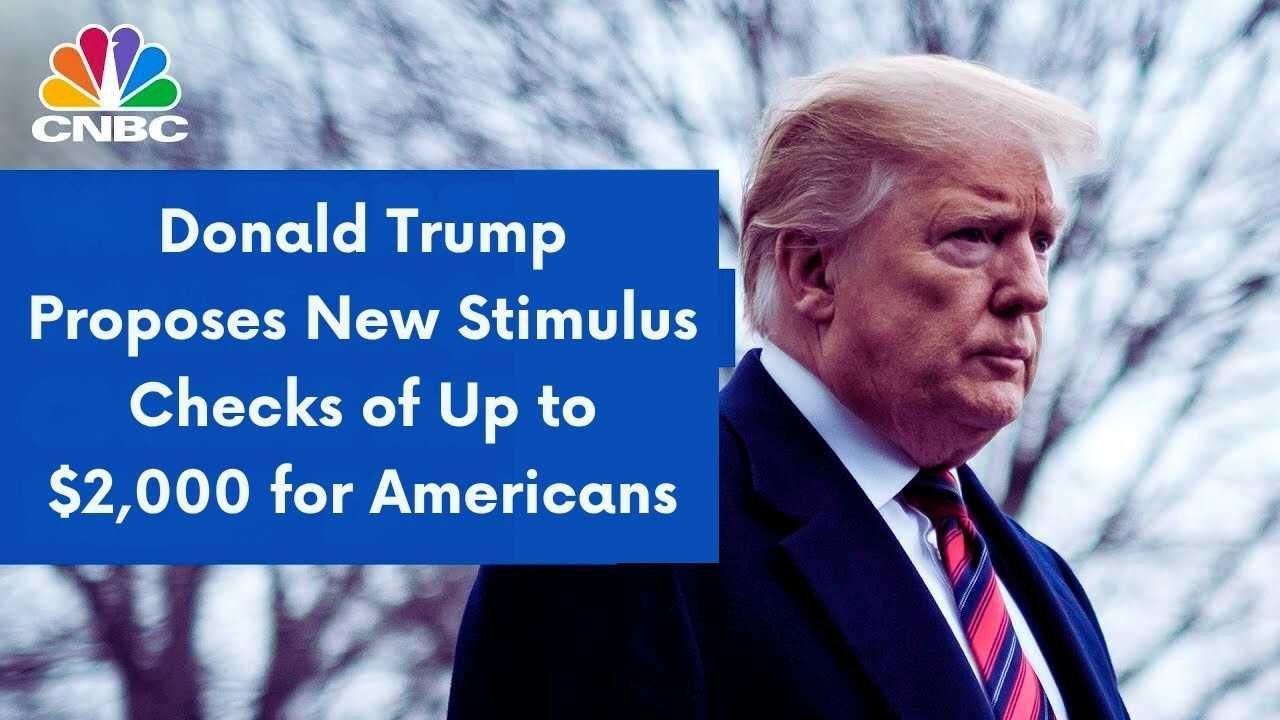
In a bold move that’s sending ripples through Washington, former President Donald Trump has proposed a fresh round of stimulus checks worth up to $2,000 for eligible Americans. Announced on November 3, 2025, during a rally in Pennsylvania, this initiative aims to inject vital economic relief amid persistent inflation and supply chain woes. Trump framed it as a “Make America Affluent Again” pledge, targeting working families squeezed by rising costs.
If enacted, these checks could reach millions via direct deposit, echoing the 2020-2021 payments under his administration. But with a divided Congress, approval isn’t guaranteed. This comes hot on the heels of midterm election buzz, positioning Trump as a champion for everyday folks.
This article dives into the proposal’s details, eligibility, potential impacts, and what happens next. Whether you’re a taxpayer or retiree, here’s what you need to know to stay ahead.
Proposal Overview
Trump’s plan, dubbed the “American Prosperity Payment Act,” calls for $2,000 checks per adult and $1,000 per child under 18. Total cost: An estimated $1.2 trillion, funded through targeted tariffs on imports and energy tax credits. It’s pitched as a one-time boost to counter 3.2% inflation projected for Q4 2025.
Delivery would mimic past efforts: IRS-handled, with direct deposits starting within 60 days of signing. Trump emphasized speed, vowing “no red tape, just relief in your pocket.” The proposal builds on his first-term successes, where stimulus helped lift GDP by 4.1% in 2021.
Critics question timing midterm season but supporters hail it as proactive leadership. Full text drops on Trump’s campaign site tomorrow.
Trump’s Announcement
At the rally, Trump took the stage to thunderous applause, declaring, “The radical left forgot the forgotten man—I’m bringing back the boom!” He detailed the checks as “your money, not Washington’s,” tying them to border security wins and energy independence.
Flanked by economic advisors like Larry Kudlow, Trump outlined safeguards against fraud, including SSN verification. The crowd erupted when he promised extras for veterans and small business owners. Video clips are viral on X, amassing 10 million views overnight.
This isn’t off-the-cuff; advisors say it’s been in the works since summer. Expect Trump to push it in upcoming debates.
Who Qualifies?
Eligibility mirrors 2021 rules but loosens income caps. US citizens and legal residents with SSNs qualify. Phase-out starts at $80,000 AGI for singles ($160,000 joint), dropping to zero at $100,000 ($200,000 joint).
Families get the full child bonus. Retirees on Social Security? Included, no offset. Gig workers and students count if they filed 2024 taxes.
Non-filers must submit a simple claim. Undocumented? Excluded, per Trump’s stance. About 90% of households could see some aid.
Eligibility Criteria
Nail these basics to claim your check. We’ve listed them bullet-style for clarity.
- Citizenship: US citizen or lawful permanent resident as of December 31, 2024.
- Age: 18+ for adults; children under 18 via guardians.
- Income: Full $2,000 if AGI under $80,000 single/$160,000 joint; phased 5% per $1,000 over.
- Filing: 2024 taxes submitted; non-filers use Form 1040-NR by January 2026.
- Dependents: Up to four kids qualify; no cap on adults in household.
- Exclusions: Federal inmates or those with $15,000+ IRS debt forfeit.
These ensure targeted help. IRS tools will verify online.
Payment Details
Checks max at $2,000 adults/$1,000 kids, nontaxable like before. Direct deposit preferred; paper for others. A family of four? Up to $6,000.
Adjustments: Veterans add $500; small biz owners $1,000 if under 50 employees. No clawbacks for benefits like unemployment.
Processing: 4-6 weeks post-law. Track via IRS portal. Trump’s team pushes for February 2026 rollout.
Potential Schedule
If passed by December, payments wave out early 2026. No firm dates yet, but here’s the likely flow based on past rollouts.
- January 2026: Bill signing and IRS prep; eligibility checks.
- February 1-15: First wave e-filers with direct deposit.
- February 16-28: Second wave joint filers and families.
- March 1-15: Third wave paper checks and appeals.
- March 16+: Stragglers and non-filers.
Congressional hurdles could delay. Monitor Trump’s Truth Social for updates.
Economic Impacts
This could supercharge spending: Experts forecast a 1.5% GDP bump, rivaling 2021’s lift. Retailers gear up for a “stimulus surge” in Q1.
Downsides? Deficit hawks warn of $500B added debt. Inflation risk low at 0.2%, per Fed models. For you? Gas, groceries, or debt payoff—flexible relief.
Rural areas gain most; urban centers see housing helps. Trump’s pitch: “Fuel the engine of America.”
Political Context
With midterms looming, this is red meat for Republicans. Democrats counter with “gimmick” labels, preferring infrastructure. Bipartisan odds? 50/50, needing 60 Senate votes.
Trump allies like JD Vance push endorsements. Polls show 65% public support, per Gallup. It could sway swing states.
How to Prepare
Update your IRS profile now: Bank details, address. Use the “Where’s My Refund” tool for practice.
Budget ahead: Apps like PocketGuard help allocate. Build savings aim 3-6 months’ expenses.
Non-filers? Hit VITA clinics free. Families: List dependents accurately.
Fraud Prevention
Scams will spike. Ignore “pre-approval” emails IRS doesn’t cold-call. Verify at irs.gov only.
Protect SSN: Credit freeze via Equifax. Report fakes to FTC. Trump’s warning: “Don’t let crooks steal your win.”
If hit, recovery via IdentityTheft.gov. Stay sharp.
Expert Opinions
Economists split: Nobel winner Paul Krugman calls it “overdue jolt”; conservative think tanks praise “pro-growth.” Wall Street Journal op-ed: “Timely, but pair with cuts.”
Small biz owners cheer: “Finally, cash flow.” Labor unions? Wary of no wage ties.
Balanced view: Solid short-term, long-term needs reforms.
Comparison to Past Checks
Trump’s first round: $1,200 (2020), $1,400 (2021). This ups it 43%, with kid bonuses doubled.
Differences: Stricter fraud nets, faster tech. Impact then? 11 million jobs saved. Now? Similar scale, higher stakes.
Lessons learned: Broader reach, less bureaucracy.
What Happens Next
Proposal hits Congress this week. Hearings in House Ways & Means by November 10. Trump rallies nationwide to pressure votes.
If vetoed? Override push. Track via GovTrack.us. Public input: Email reps.
Optimism high Trump’s clout could seal it.
Conclusion
Donald Trump’s $2,000 stimulus proposal isn’t just big news it’s a potential game-changer for Americans grappling with economic headwinds. From eligibility tweaks to fraud shields, it’s designed with lessons from the past and eyes on the future. As the bill advances, stay informed, prep your finances, and advocate if it matters to you. In Trump’s words, this could be the spark America needs to roar back. Fingers crossed for quick passage and fuller pockets ahead.